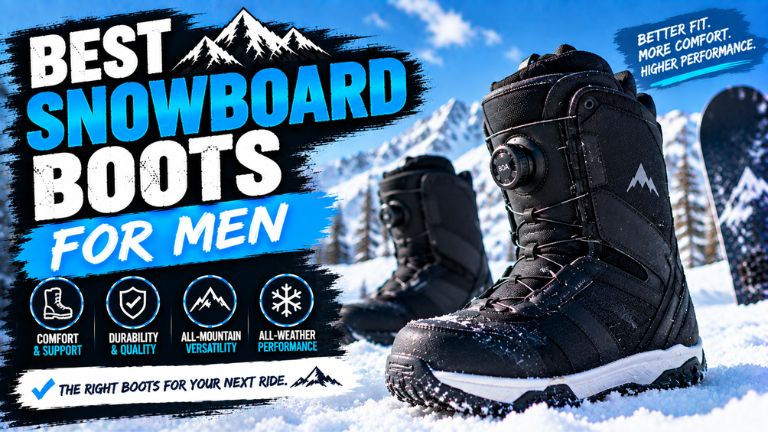
A good pair of snowboard socks makes a bigger difference than most riders expect. The right socks keep your feet warm, dry, and comfortable through a full day on the mountain. The wrong pair can leave you with cold toes, blisters, or boots that never quite fit right.
This guide covers everything worth considering when shopping for snowboard socks, from material to fit to thickness, so you can pick a pair that actually performs where it counts.
Why Snowboard Socks Are Different from Regular Socks
Regular cotton socks are not built for a day of riding. Cotton holds onto moisture instead of pulling it away from your skin, which leaves your feet cold and damp inside your boots. Snowboard socks are designed specifically to manage moisture, provide targeted cushioning, and fit snugly inside a boot without bunching.
Choosing the right pair is not just about comfort either. Poor fitting or poorly performing socks can actually affect how your boots fit and how well you can feel your board underfoot, which impacts control and response on the mountain.
Material Matters Most
The fabric your socks are made from has the biggest impact on how they perform throughout the day. Merino wool is one of the most popular choices for snowboard socks, and for good reason. It naturally regulates temperature, keeping feet warm in cold conditions while still breathing well enough to prevent overheating. Merino wool also resists odor better than most other materials, which matters after several days of riding without a wash in between.
Synthetic blends, often made from nylon or polyester with added spandex, are another common option. These tend to dry faster than wool and hold up well to repeated washing, though they generally do not regulate temperature quite as well as merino wool. Many snowboard socks combine merino wool with synthetic fibers to get the benefits of both, adding durability and stretch to the natural warmth and odor resistance of wool.
Cotton should generally be avoided for serious riding. It absorbs sweat and moisture without wicking it away, leaving your feet cold and prone to blisters after just a few hours on the mountain.
Thickness and Cushioning
Sock thickness affects both warmth and boot fit, so this is worth thinking through carefully. Thicker socks with extra cushioning in the heel and shin area add warmth on cold days and provide more impact protection, which some riders prefer for comfort on long sessions.
Thinner socks work better for riders who prefer maximum boot responsiveness and board feel. They also make sense for riders with boots that already fit snugly, since a thick sock can make an already tight boot feel uncomfortably tight.
Many riders end up with a couple of different sock thicknesses in their gear bag, choosing based on the day’s weather and how their boots are fitting that particular session.
The Importance of Proper Fit
A snowboard sock that fits well should feel snug without any bunching, especially around the heel and toe area. Wrinkles or loose fabric inside your boot can cause pressure points and blisters over the course of a day, so getting the sizing right matters just as much as material choice.
Most snowboard sock brands use standard shoe size ranges rather than generic small, medium, and large sizing, which helps you dial in a more precise fit. It is worth checking the sizing chart for the specific brand you are buying, since sizing can vary between manufacturers even at the same stated size range.
Cuff Height and Coverage
Snowboard socks typically come in over the calf styles that extend well above the top of your boot. This height matters because it prevents your boot cuff from rubbing directly against bare skin, which can cause irritation over a long day of riding.
Shorter socks that end below the boot cuff can lead to painful rubbing and blisters at the point where the boot meets your leg. For this reason, most riders stick with taller, over the calf styles specifically designed for snowboarding rather than repurposing regular athletic socks.
Compression and Support Features
Some snowboard socks include light compression zones around the arch or ankle. This added support can help reduce fatigue during long days and may improve circulation, which keeps feet warmer over time. Compression is not a must have feature for every rider, but those who spend full days on the mountain or deal with foot fatigue often notice a difference.
Arch support built into the sock itself can also add a bit of extra comfort, especially for riders who do not use custom footbeds in their boots. This is a smaller detail compared to material and fit, but it is worth considering if comfort throughout a long day is a priority.
Seamless Toe Construction
Look closely at how the toe area of the sock is constructed. Many quality snowboard socks use a seamless or flat seam design at the toe to prevent friction and irritation. A bulky seam running across the top of your toes might not seem like a big deal in the store, but after several hours inside a boot, it can become a real source of discomfort or even blistering.
This is a small detail that is easy to overlook while shopping, but it makes a noticeable difference in comfort during long riding sessions.
Moisture Wicking Performance
Even with a warm, well fitted sock, moisture management still plays a huge role in keeping feet comfortable. Look for socks specifically marketed with moisture wicking properties, which pull sweat away from the skin and move it toward the outer layer of the fabric where it can evaporate.
This feature matters even in cold weather, since feet still sweat inside insulated boots regardless of outside temperature. A sock that manages moisture well keeps feet drier and warmer than one that simply relies on thickness alone.
Durability and Reinforcement
Since snowboard socks take a beating from repeated wear inside stiff boots, durability is worth factoring into your decision. Reinforced areas at the heel and toe extend the life of the sock and prevent early wear in the spots that see the most friction.
Higher quality socks made from a blend of wool and synthetic fibers often hold up better over multiple seasons compared to cheaper, all cotton alternatives that wear thin quickly.
One Pair or Two
A common mistake many riders make is wearing two pairs of socks thinking it will add warmth. In most cases, this actually backfires. Doubling up on socks can compress circulation in your feet, which makes them colder rather than warmer, and it also takes up extra space inside your boot that can throw off the fit entirely.
A single, well made pair of snowboard specific socks almost always performs better than two thinner regular socks stacked together.
Budget Considerations
Snowboard socks range widely in price, and spending a bit more upfront often pays off in comfort and durability. Cheaper socks made from lower quality synthetic materials tend to wear out faster and do not manage moisture nearly as well as higher end merino wool blends.
That said, you do not need to buy the most expensive pair on the shelf to get solid performance. Focusing on the fundamentals like material, fit, and cushioning will steer you toward a good pair regardless of exact price point.
Final Thoughts
Choosing the right snowboard socks comes down to a handful of key details. Prioritize merino wool or a wool blend for warmth and odor resistance, pick a thickness that matches your boot fit and typical weather, and make sure the sizing is snug without bunching.
Small details like seamless toe construction and proper cuff height might seem minor, but they add up to a noticeably more comfortable day on the mountain. Take the time to choose carefully, and your feet will thank you on every run.