Helmet prices span a surprisingly wide range, and understanding how much snowboard helmets cost, and what actually drives that cost, helps you avoid either overspending on features you do not need or underspending on genuine safety essentials. This guide breaks down typical pricing, what factors push costs higher, and how to decide what makes sense for your own budget, riding frequency, and comfort priorities.
How Much Are Snowboard Helmets
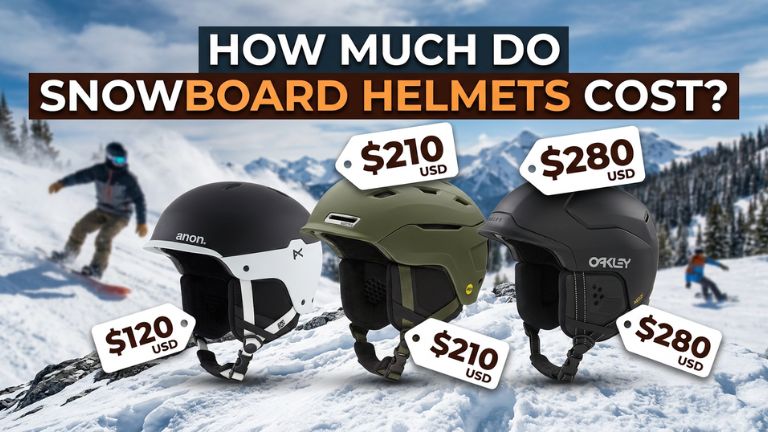
Snowboard helmets generally range from around 60 dollars at the budget end to 300 dollars or more for premium, feature packed models. Most riders find a solid, reliable helmet somewhere in the middle of that range, typically between 100 and 180 dollars, which covers proper certification along with reasonably comfortable fit adjustment and ventilation features.
Extremely cheap helmets below that range sometimes lack proper certification or use lower quality materials, while helmets priced well above 200 dollars often include premium technology or materials that offer genuine benefits but come with diminishing returns for casual riders who may not fully utilize those advanced features. Prices can also shift somewhat by season, with older models often discounted once newer versions are released, giving budget conscious shoppers a chance to access mid range or even premium features at a lower cost if timing works out.
Snowboard Helmet Price Range
Breaking pricing down into general tiers helps clarify what you can expect at each budget level.
Budget Tier (60 to 100 dollars). Helmets in this range typically offer basic certified protection with simpler fit systems and fewer ventilation options. They work well for casual or occasional riders who prioritize safety essentials without extra features.
Mid Range (100 to 180 dollars). This tier introduces better fit adjustment systems, improved ventilation, and often lighter weight construction compared to budget options. Many riders find this range offers the best overall value, balancing solid performance with reasonable cost.
Premium (180 to 300 dollars and up). Helmets at this level typically include advanced impact protection technology like MIPS, premium lightweight materials, and refined ventilation and fit systems. This tier suits frequent riders or those who want the most current safety technology available.
What Drives the Price Up? Key Cost Factors
Several specific factors explain why some helmets cost significantly more than others.
Advanced impact protection technology, such as MIPS or similar rotational impact systems, adds both material and engineering cost to a helmet’s construction. Premium shell materials, including lighter weight composites or carbon fiber components in the highest end models, cost more to manufacture than standard polycarbonate shells common in budget options.
More sophisticated ventilation systems, often featuring adjustable vents that can be opened or closed based on conditions, add mechanical complexity compared to simpler fixed ventilation found in cheaper helmets. Refined fit adjustment systems, such as precise dial based sizing mechanisms, also add cost compared to basic foam padding alone used in more budget focused designs.
Brand reputation and marketing investment play a role as well, since established brands with strong research and development programs, along with sponsorship relationships with professional athletes, often price their products to reflect that investment, separate from any pure material or construction cost difference.
Cheap vs Expensive Snowboard Helmet
The core safety certification required by law and industry standard applies equally across price points, meaning even a properly certified budget helmet meets the same baseline impact protection requirement as a premium model. The differences between cheap and expensive helmets typically come down to comfort, convenience features, and sometimes additional protective technology layered on top of that baseline certification.
A cheap, properly certified helmet protects your head just as effectively in a basic fall scenario as a premium model, assuming both meet the same certification standard. Where premium helmets pull ahead is in areas like rotational impact protection through MIPS technology, better temperature regulation through advanced ventilation, and often a more precise, comfortable fit through refined adjustment systems, all of which can matter significantly depending on your specific riding habits and priorities.
How Much Should You Spend on a Snowboard Helmet
For most casual to regular riders, spending in the 100 to 180 dollar mid range tier offers a solid balance of proper safety certification, decent comfort features, and reasonable durability without paying for advanced technology that may go underutilized. Occasional riders who hit the slopes just a handful of times per season can often get by comfortably with a budget tier helmet, as long as it carries proper certification.
Frequent riders, those who spend many days each season on the mountain, or anyone particularly focused on the latest safety technology like MIPS, may find the premium tier justifies its added cost through improved comfort over long term use and additional protective features. Setting your budget based on how often you actually ride, rather than simply choosing the most expensive option available, tends to produce the most sensible purchasing decision.
Does More Money Mean More Safety?
Not entirely, though there is some correlation at certain price points. Every properly certified helmet, regardless of price, meets the same baseline safety standard required for legitimate sale as protective snow sport equipment. Spending significantly more money does not mean you are buying a fundamentally safer helmet in terms of that baseline certification.
Where additional cost can translate into meaningful additional safety is through specific added technology, most notably MIPS or similar rotational impact protection systems, which are not universally included at every price point. If genuine additional protection beyond baseline certification matters most to you, focusing your budget on helmets that specifically include this kind of proven added technology makes more sense than simply assuming a higher price tag alone guarantees better protection.
Is MIPS Worth the Extra Money on a Snowboard Helmet?
For many riders, yes, MIPS technology is worth the added cost it typically introduces. MIPS, which stands for Multi-directional Impact Protection System, is designed to reduce rotational forces transmitted to the brain during certain angled impacts, which standard helmet design alone does not specifically address. Research from independent safety organizations has generally supported the potential benefit of this technology in reducing rotational injury risk.
The added cost for MIPS technology is often relatively modest compared to the overall price difference between budget and premium helmets, sometimes adding only a modest amount to an otherwise comparable helmet model. Given the relatively low added cost paired with a specific, researched safety benefit, many safety conscious riders consider MIPS a worthwhile investment even if it means stretching slightly beyond an initial budget tier to access a MIPS equipped model.
Final Thoughts
So, how much do snowboard helmets cost in the end? It depends heavily on which features you actually need, but recognizing that baseline safety certification remains consistent across price points helps put the decision in perspective. Additional cost typically buys improved comfort, ventilation, fit precision, and sometimes genuinely valuable added protection through technology like MIPS. Setting your budget based on how often you ride and how much you value these additional features leads to a more informed purchase than simply choosing based on price alone.
Whether you land in the budget, mid range, or premium tier, prioritizing proper certification and a secure, comfortable fit above all else ensures you are getting genuine protection, regardless of exactly how much you end up spending.